

How To Save Your Winter Leather Gloves For Next Year?
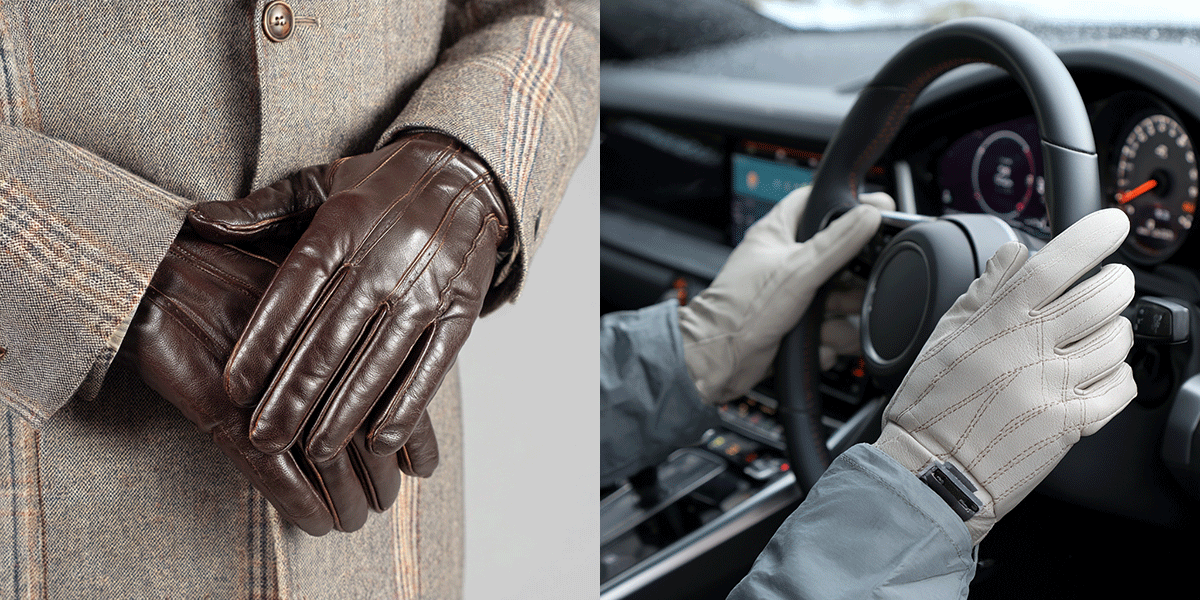
How To Save Your Winter Leather Gloves For Next Year
A good pair of leather gloves is an investment. Whether you wore deerskin mitts through a brutal commute, pulled on lined elkskin for outdoor work, or ran Sherpa-lined mittens through an entire ski season, your gloves have earned their rest. As winter winds down, most people toss them in a drawer and forget about them until November. That is one of the fastest ways to ruin quality leather.
Leather is a natural material that responds to how it is treated between uses. Store it carelessly, and you will pull out cracked, stiff, or mildewed gloves six months later. Store it properly, and those same gloves can last for many seasons. The process does not take long, but it requires doing the right things in the right order.
Start With a Thorough Cleaning
Before anything else, clean your gloves completely. Over a full winter, leather accumulates dirt, salt residue, body oils, and moisture. Left sitting against the material for months, that buildup will break down the fibers, cause discoloration, and invite mold.
Wipe the exterior with a slightly damp cloth to remove surface debris and salt deposits. Salt is particularly damaging because it draws moisture from leather as it dries, leaving the fibers brittle. Pay close attention to the knuckles, fingertips, and cuffs where salt and sweat tend to concentrate.
For deeper cleaning, use a leather-specific cleaner. Dish soap and household detergents strip the natural oils from leather and accelerate cracking. Work a gentle leather cleaner into the surface using a soft cloth in small circular motions, then wipe away any residue with a clean damp cloth. If your gloves have fabric or Sherpa linings, turn them inside out and allow the interior to air out as well. A damp lining sealed in storage is exactly the environment mold needs.
Dry Them Completely
Once cleaned, your gloves must be fully dry before you condition or store them. Storing leather with any trapped moisture leads to mildew, weakened stitching, and odors that are very difficult to remove.
Air dry at room temperature and keep the gloves away from radiators, heating vents, and direct sunlight. High heat causes leather to dry too quickly, leading to stiffening and cracking. Spread the fingers slightly open and let them dry slowly on a flat, ventilated surface. Before moving on, feel inside the lining. If any coolness or dampness remains, give them more time.
Condition the Leather
This is the step most people skip, and it is one of the most valuable. A full season of cold temperatures, salt, sweat, and repeated wetting and drying strips leather of its natural oils. Conditioning replenishes those oils, restores softness, and creates a protective barrier that helps the leather hold up during months in storage.
Choose a conditioner suited to your specific leather type. Deerskin, elkskin, and bison each have different characteristics. Deerskin in particular is valued for its natural flexibility, and the right conditioner will preserve that quality through the off-season. Apply sparingly with a soft cloth using gentle circular motions, cover the full surface including seams and cuffs, then buff away any excess. A little goes a long way.
Inspect for Repairs
Before putting your gloves away, look them over carefully. Check the seam stitching at the fingertips and between the fingers where stress accumulates. Look at the cuffs for fraying and examine the palm for thinning or scuffs. Small repairs handled now are far easier than major fixes needed next fall when temperatures drop, and you actually need your gloves.
Light surface scuffs can often be addressed with conditioner or a color-matched leather balm. Separating seams can be re-stitched with waxed thread before they fully unravel. Significant palm wear may warrant a professional repair, especially in a high-quality pair worth maintaining long-term.
Store Winter Leather Gloves Correctly
The storage environment matters as much as the prep work. Aim for a cool, dry, dark space with reasonable airflow. Avoid plastic bags and airtight containers, which trap residual moisture and prevent leather from breathing. A breathable cloth bag, a pillowcase, or an open cardboard box works well.
Keep gloves away from humid basements, hot attics, and garages that see major temperature swings. A bedroom closet shelf where the temperature stays stable is ideal. Do not stack heavy objects on top of them, as compressed leather loses its shape over months in ways that are difficult to reverse. In humid climates, a small silica gel packet nearby will absorb excess moisture without drying the leather itself.
One Final Step Before Next Season
Even in ideal conditions, leather slowly loses moisture over time. A quick conditioning pass before the first cold day of the coming season will restore any suppleness lost during storage and prime your gloves for another winter. Quality leather gloves, especially deerskin, reward the people who care for them. The full process takes less than an hour. Against the cost of replacing a good pair every year or two due to preventable damage, that hour is time very well spent.