
Mittens vs. Gloves: Which Keeps Your Hands Warmer?
Mittens vs. Gloves: Which is Better?
Expert advice from Hand Armor Gloves & Trading to help you choose the right winter handwear
When winter’s chill sets in, choosing between mittens and gloves isn’t just about personal preference; it’s about matching your handwear to your specific needs. Whether you’re hitting the slopes, commuting to work, or simply keeping warm during outdoor activities, understanding the differences between mittens and gloves will help you make the smartest choice for comfort, warmth, and functionality.
At Hand Armor Gloves & Trading, we’ve spent over 45 years outfitting people for harsh Midwest winters. This comprehensive guide breaks down everything you need to know about mittens versus gloves, backed by our decades of experience in the handwear industry.
Understanding the Key Differences
The fundamental difference between mittens and gloves lies in their design philosophy. Gloves separate each finger into individual compartments, maximizing dexterity and allowing precise finger movements. Mittens group all four fingers into a single compartment, with only the thumb separated, prioritizing warmth retention over individual finger mobility.
This seemingly simple design difference creates a cascade of practical implications that affect warmth, comfort, usability, and performance in various winter scenarios.
Are Mittens Warmer Than Gloves? The Science Explained
Yes, mittens are significantly warmer than gloves. Here’s why:
Shared Body Heat
When your fingers are grouped in a mitten, they share body heat. Each finger acts as a heat source for its neighbors, creating a microclimate that’s much warmer than when fingers are isolated in separate glove compartments. This collective warmth can make a difference of 10-15 degrees Fahrenheit in perceived temperature.
Reduced Surface Area
Mittens have approximately 25% less surface area exposed to cold air compared to gloves. Less surface area means less heat escapes through the fabric. Think of it like the difference between heating five small rooms versus one large room—the single space is far more efficient to keep warm.
Better Insulation Efficiency
Modern mittens from quality manufacturers like Hand Armor use advanced materials, such as Thinsulate insulation. The single-compartment design allows for thicker, more effective insulation layers without the constraints of fitting around individual fingers. This means you can achieve superior warmth without the bulk.
When to Choose Mittens: Best Use Cases
Mittens excel in scenarios where maximum warmth takes priority over finger dexterity:
Extreme Cold Weather
When temperatures plunge below 20°F (-7°C), mittens become essential for preventing frostbite and maintaining hand function. The superior insulation and heat retention make them the gold standard for arctic conditions, ice fishing, winter camping, and prolonged outdoor exposure.
Best Mittens for Skiing and Winter Sports
Skiing, snowboarding, and sledding are perfect activities for mittens. These sports don’t require fine finger manipulation; you’re gripping poles or holding onto equipment with your whole hand. Ski mittens with waterproof exteriors, extended cuffs, and grip-enhanced palms keep your hands warm and dry all day on the mountain.
Look for features like:
- Waterproof and windproof outer shells
- Extended gauntlet cuffs that fit over jacket sleeves
- Reinforced palms with textured grip
- Wrist leashes to prevent loss on chairlifts
- Moisture-wicking liners to manage perspiration
Children’s Winter Activities
Mittens are dramatically easier for children to put on independently. The simple design means less frustration during the morning routine and more time enjoying outdoor play. Young children also tend to have poorer circulation in their extremities, making the extra warmth of mittens essential for comfortable winter play.
Spectator Activities
Watching outdoor sporting events, winter festivals, or simply taking a winter walk where you won’t need your hands for tasks makes mittens the wisest choice. You’ll stay comfortable longer without sacrificing functionality you don’t need.
When to Choose Gloves: Dexterity-Focused Scenarios
Gloves remain the superior choice when precise hand movements and finger independence are required:
Work and Professional Use
Construction workers, delivery drivers, utility workers, and anyone who needs to handle tools, operate equipment, or maintain fine motor control while working outdoors needs the dexterity that only gloves provide. Hand Armor’s professional-grade work gloves balance warmth with functionality, featuring reinforced palms and touchscreen-compatible fingertips.
Driving and Commuting
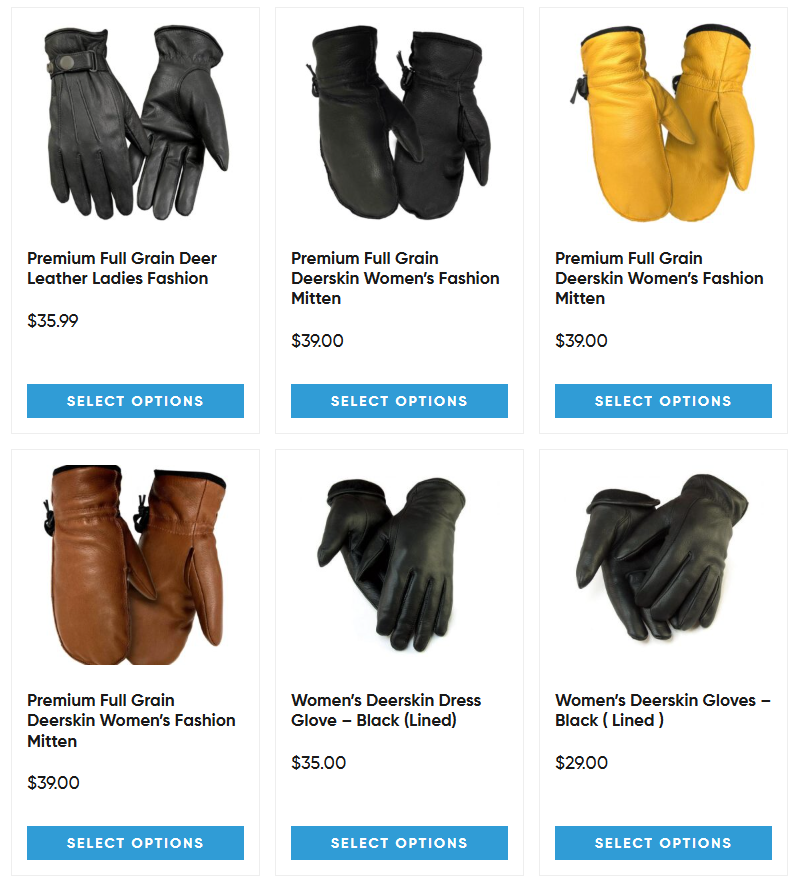
Operating a vehicle requires precise control of the steering wheel, gear shift, and various controls. Leather driving gloves in deerskin or elkskin provide excellent grip while maintaining comfort during your commute. The individual-finger design lets you feel what you’re doing without compromising safety.
Technical Winter Sports
Ice climbing, mountaineering, backcountry skiing, and winter photography require finger independence for handling ropes, adjusting equipment, or operating camera controls. Specialized technical gloves with pre-curved fingers and articulated knuckles provide the dexterity these activities demand.
Smartphone and Device Use
Modern touchscreen-compatible gloves allow you to use your phone, tablet, or other devices without exposing your hands to the cold. This functionality is impossible with mittens, making gloves essential for anyone who needs regular device access outdoors.
Side-by-Side Comparison: Mittens vs. Gloves
Here’s a quick reference to help you decide between Mittens or Gloves:
| Factor | Mittens | Gloves |
| Warmth | Superior – shared heat, less surface area | Good – but fingers isolated |
| Dexterity | Limited – whole hand grip only | Excellent – independent finger movement |
| Ease of Use | Effortless – slides on quickly | More complex – must align each finger |
| Best For | Skiing, extreme cold, children, spectating | Work, driving, technical sports, device use |
| Price Range | $20-$150 depending on materials | $25-$200 depending on materials |
Smart Buyer’s Guide: What to Look For
Whether you choose mittens or gloves, certain quality factors ensure you get handwear that performs:
Material Matters
Leather (Deerskin, Elkskin, Cowhide): Natural leather breathes, molds to your hands over time, and provides excellent durability. Hand Armor’s deerskin options offer superior softness and flexibility, while elkskin delivers rugged toughness for demanding work environments.
Synthetic Materials: Modern synthetics excel in wet conditions. Look for Gore-Tex or a similar waterproof-breathable membrane that keeps moisture out while allowing perspiration to escape. Synthetic insulation like Thinsulate provides excellent warmth-to-weight ratios.
Hybrid Construction: The best of both worlds—leather palms for grip and durability combined with synthetic backs for waterproofing and insulation. This construction dominates the premium ski and work glove markets.
Essential Features to Consider
- Insulation Type: Thinsulate, PrimaLoft, or down insulation. Check the gram weight—higher numbers mean more warmth but also more bulk.
- Waterproofing: Critical for snow sports and wet conditions. Look for sealed seams and a waterproof membrane.s
- Cuff Length: Longer cuffs (gauntlet style) prevent snow entry and provide wrist protection. Essential for skiing and deep snow activities
- Closure System: Velcro straps, elastic cuffs, or drawcords. Adjustable closures seal out cold and prevent loss
- Palm Reinforcement: Leather or synthetic reinforcements extend lifespan and improve grip
- Touchscreen Compatibility: For gloves, conductive fingertips allow device use without removal
Getting the Right Fit
Proper fit is crucial for both warmth and function. Measure your hand circumference at its widest point (excluding the thumb) and the length from your wrist to the tip of your middle finger. Consult the manufacturer’s size chart—Hand Armor provides detailed sizing guides for all products. Remember: if you plan to wear liner gloves underneath, size up to accommodate the extra layer.
Frequently Asked Questions
Can I wear liner gloves inside mittens?
Absolutely! Thin liner gloves add an extra layer of insulation and allow you to temporarily remove your mittens for tasks that require dexterity. This layering system is standard practice for mountaineers and winter campers. Choose moisture-wicking liners to manage perspiration.
Are convertible mittens worth it?
Convertible mittens (also called glomitts) feature a fold-back mitten shell that exposes gloved fingers underneath. They’re excellent for activities that require occasional dexterity, such as ice fishing, photography, or working outdoors. However, they typically don’t match the pure warmth of traditional mittens or the dexterity of dedicated gloves.
How do I care for leather mittens and gloves?
Leather handwear requires minimal maintenance but benefits from occasional conditioning. Let wet leather dry naturally away from direct heat sources. Once dry, apply a leather conditioner to restore oils and maintain suppleness. Store in a cool, dry place away from sunlight. Never machine wash leather handwear.
What temperature rating should I look for?
Temperature ratings vary by manufacturer and are often subjective. As a general guide, light insulation (40g-100g) works for 30-45°F, medium insulation (100g-200g) handles 10-30°F, and heavy insulation (200g+) is designed for sub-zero conditions. Your personal cold tolerance and activity level significantly affect these ranges.
The mittens-versus-gloves debate doesn’t have a universal answer—it depends entirely on your specific needs. If maximum warmth is your priority and you don’t need precise finger control, mittens win every time. They’re the clear choice for extreme cold, skiing, children, and casual winter activities.
Choose gloves when dexterity matters: for work, driving, technical activities, or when you need touchscreen compatibility. Many winter enthusiasts own both types, switching based on their daily activities and weather conditions.
At Hand Armor Gloves & Trading, we’ve equipped thousands of customers through Midwest winters since 1977. Our extensive selection includes premium deerskin and elkskin options, waterproof ski mittens, professional work gloves, and specialized handwear for every winter need. Whether you choose mittens or gloves, we’re committed to helping you find the perfect fit for warmth, comfort, and performance.
Visit Hand Armor Gloves & Trading today to explore our complete collection and receive expert fitting assistance. Don’t let cold hands slow you down this winter.