
Know Your Hand Size Before Picking Out New Gloves
Know Your Hand Size Before Picking Out New Gloves
Buying a new pair of gloves should be simple, but anyone who has ended up with gloves that pinch their fingers or slide around loosely knows it isn’t always that easy. The secret to a perfect pair almost always comes down to one thing: knowing your hand size. Getting your measurements right before you shop saves you the frustration of returns and ensures your gloves perform exactly as they should.
Why the Right Fit Matters
Gloves that fit poorly do more than feel uncomfortable. Gloves that are too tight restrict movement, cut off circulation, and wear out faster as the seams strain. Gloves that are too loose bunch up, reduce your grip, and let cold air sneak in around the cuffs. A properly fitted glove, on the other hand, moves with your hand naturally, keeps you warm, and lets you handle tools, zippers, and equipment without fumbling.
The right fit also affects durability. When a glove fits correctly, the material flexes the way it was designed to, which means less stress on the stitching and a longer lifespan for your investment.
 How to Measure Your Hand
You only need a soft measuring tape or a piece of string and a ruler to find your hand size. Most glove sizing relies on two measurements:
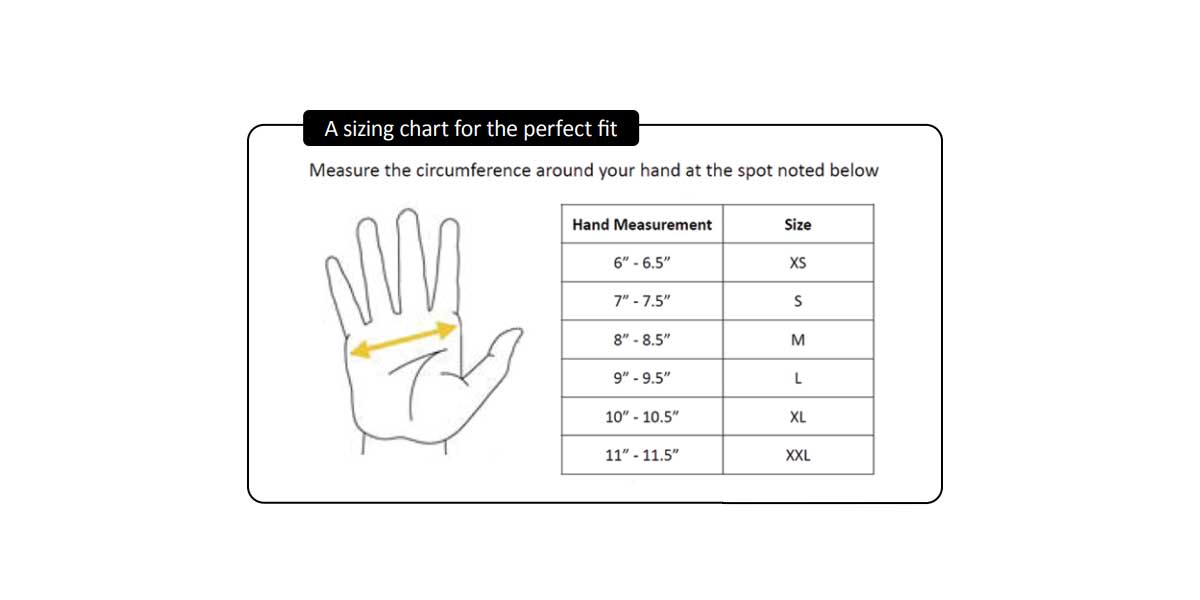
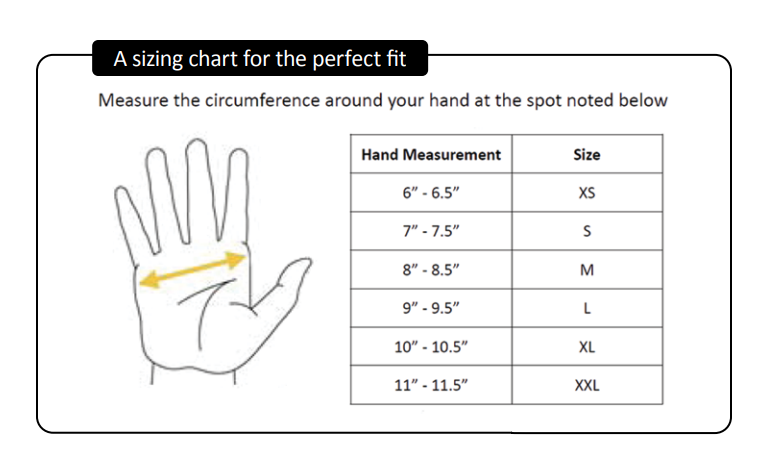
Hand Circumference: Wrap the measuring tape around the widest part of your hand, just below the knuckles, excluding your thumb. Make a loose fist as you measure for the most accurate reading. The number in inches usually corresponds directly to your glove size.
Hand Length: Measure from the tip of your middle finger down to the base of your palm where it meets your wrist. This helps confirm your size, especially if your circumference falls between two sizes.
If you’re right-handed, measure your right hand, since it’s often slightly larger than your left. Choosing the size that fits your dominant hand ensures both gloves feel comfortable.
Understanding Glove Sizing Charts
Once you have your measurements, compare them to the manufacturer’s sizing chart. Some brands use standard small, medium, and large labels, while others use numbered sizing based directly on hand circumference. A hand measuring 8 inches around typically falls into a size 8, an 9 inches into a size 9, and so on.
Keep in mind that sizing can vary by manufacturer, so always check the brand’s specific size chart. A medium from one company may fit differently than a medium from another.
Hand Size: Tips for Getting the Perfect Fit
A few extra considerations will help you land on the ideal pair:
- Account for the material. Leather gloves like deerskin stretch slightly with wear, so a snug initial fit is ideal. They’ll mold to your hand over time. Synthetic materials tend to stay the same size, so factor that into your choice.
- Think about lining. Insulated or lined gloves take up more interior space. If you’re buying a heavily lined winter glove, you may want a touch more room.
- Consider your activity. For dexterity-focused tasks like driving or detailed work, a closer fit is better. For maximum warmth, slightly more room allows air to insulate your hands.
- Check finger length. Your fingertips should reach the end of the glove fingers, with no excess material bunching at the tips.
The Bottom Line
Taking two minutes to measure your hand before shopping makes all the difference between gloves you tolerate and gloves you love. Once you know your accurate hand size, you can shop with confidence, compare sizing charts easily, and choose a pair that delivers the comfort, warmth, and performance you’re after, season after season.