
Cold Weather Work Gloves: Protection, Performance, and Compliance
Cold Weather Work Gloves: Protect Your Workforce, Stay Compliant, and Maximize Performance
When temperatures drop, and workers still need to perform at full capacity, the right pair of cold weather work gloves can make the difference between a safe shift and a serious injury. Whether your team operates in outdoor construction, cold storage, logistics, or oil and gas, selecting gloves that deliver both thermal insulation and functional performance is one of the most critical PPE decisions a safety manager can make. This guide covers everything procurement teams and workplace safety leaders need to know before investing in hand protection for cold environments.
Why Cold Weather Hand Protection Is a Workplace Safety Priority
Cold hands are more than an inconvenience. When skin temperature drops, fine motor control degrades rapidly. Workers become more prone to fumbling tools, misjudging grip strength, and making errors that lead to lacerations, crush injuries, or dropped loads. Beyond performance degradation, prolonged cold exposure creates real physiological risks. Frostnip and frostbite can develop in environments well above freezing, particularly when wind chill, moisture, and extended exposure are factored in. Occupational health and safety standards across North America recognize cold stress as a legitimate and preventable workplace hazard.
Providing appropriate cold-weather work gloves is not just a matter of worker comfort. It is a foundational element of any comprehensive PPE program and a direct contributor to reducing hand injury rates on the job.
Understanding the Key Performance Requirements for Winter Work Gloves
Thermal Insulation and Cold Resistance
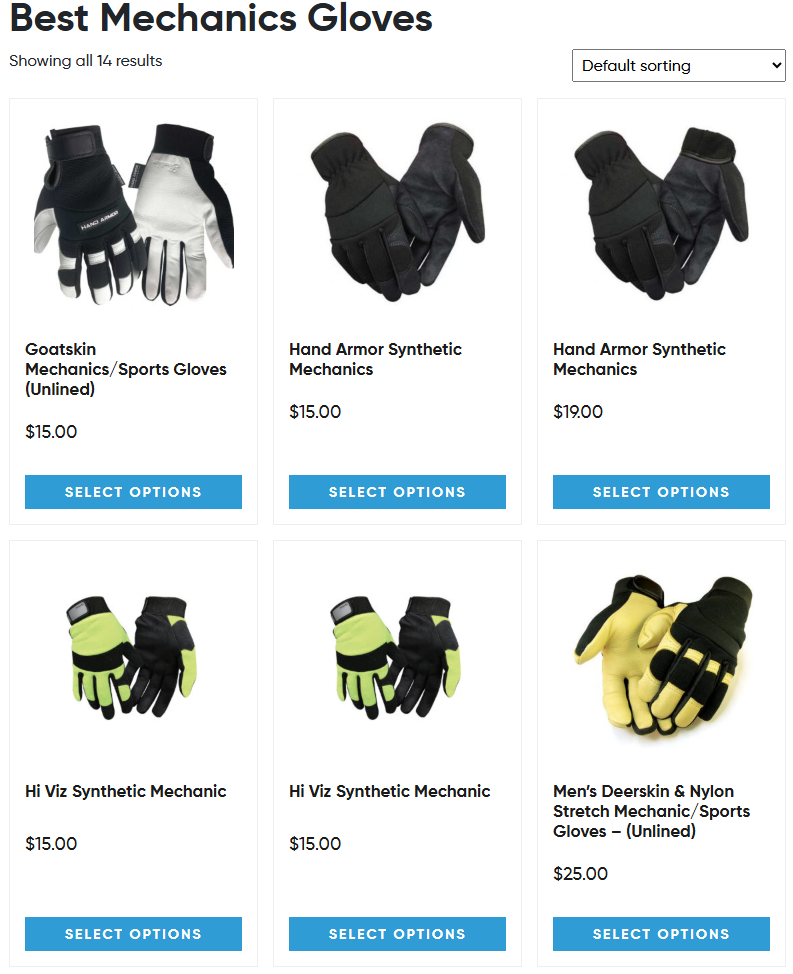
Getting a pair of the best mechanic gloves or anything to retain heat and prevent cold transfer from surfaces and ambient air. Insulation materials vary widely. Thinsulate, fleece linings, and foam-backed thermal layers each offer different trade-offs between warmth, bulk, and dexterity.
In industrial environments, the insulation must also withstand repeated use, laundering where applicable, and exposure to oils, grime, and mechanical stress. A glove that loses its loft and thermal performance after a few weeks on the job is not a reliable safety investment.
Waterproofing and Moisture Management
Wet hands in cold conditions lose heat far more quickly than dry hands. Water-resistant membranes protect against rain, slush, snow, and incidental liquid contact. For workers in cold storage or wet outdoor environments, this feature should be treated as non-negotiable.
Breathable linings that wick perspiration away from the skin help prevent the clammy conditions that cause workers to remove their gloves and expose themselves to risk.
Dexterity Without Sacrificing Protection
One of the persistent challenges in cold weather hand protection is balancing insulation with tactile performance. Thick, heavily insulated gloves provide warmth but can reduce grip sensitivity and make precision tasks difficult or dangerous.
Modern cold weather work gloves are engineered with articulated construction, form-fitting cuts, and pre-curved finger designs that preserve dexterity while still providing meaningful thermal protection. The best options on the market allow workers to handle controls, operate machinery, and manage fasteners without removing their gloves.
 Industry Applications for Cold Weather Industrial Gloves
Construction and Outdoor Labor
Construction crews working through fall and winter face demanding hand protection requirements. They need cold weather work gloves that handle abrasion from concrete, wood, rebar, and tool use while keeping hands warm across long outdoor shifts. ANSI cut resistance ratings remain relevant in cold conditions, since laceration hazards do not disappear when temperatures drop.
Abrasion resistance is equally important on construction sites. High-wear zones on the palm and thumb need reinforced materials that can withstand repetitive contact with rough surfaces.
Cold Storage and Refrigerated Warehousing
Workers in cold chain logistics, food processing, and refrigerated warehouses often spend entire shifts in temperatures well below freezing. Cold weather work gloves for this environment must provide sustained warmth while allowing workers to handle boxes, pallets, and equipment efficiently.
Grip performance on cold or frosty surfaces is a critical consideration. Textured coatings on the palm and fingers maintain friction and reduce dropped items, which is both a safety and productivity issue in high-volume warehouse settings.
Oil, Gas, and Energy Sector
Workers in upstream oil and gas operations face extreme cold combined with additional hazards including impact risks and chemical exposure. Cold weather work gloves for this sector must meet multiple performance criteria simultaneously: thermal protection, impact-resistant knuckle and dorsal hand coverage, and resistance to petroleum-based substances.
Impact protection ratings under the ANSI/ISEA 138 standard have become increasingly important in heavy industry, and this applies equally to cold weather variants.
Transportation and Logistics
Drivers, dock workers, and yard crews move between outdoor cold and unheated trailers throughout a single shift. Versatile cold weather work gloves with moderate insulation and touchscreen-compatible fingertips address this challenge without requiring workers to swap gloves between tasks.
Impact-Resistant Work Gloves
How to Choose the Right Cold Weather Work Gloves for Your Workforce
Choosing the right glove starts with a proper hazard assessment. Safety managers should evaluate the specific temperature range workers will encounter, the duration of cold exposure per shift, the presence of moisture, and any mechanical hazards alongside cold stress.
Once the hazard profile is established, look for gloves with relevant ANSI/ISEA classifications for cut resistance, abrasion resistance, and impact protection where those hazards are present. Cold performance should be evaluated alongside, not instead of, these other criteria.
Fit matters more than many procurement teams realize. Gloves that are too large reduce dexterity and grip accuracy. Gloves that are too tight restrict blood flow, accelerating heat loss in cold conditions. Providing workers with access to multiple sizing options improves compliance and sustained protection.
Durability should factor into the total cost of ownership. A lower-cost glove replaced every four to six weeks may ultimately cost more than a higher-performance option with a longer service life under the same conditions.
North American Compliance Considerations for Cold Weather PPE
In the United States and Canada, employers have clear obligations under occupational health and safety regulations to protect workers from cold stress. OSHA guidelines address temperature-related occupational risks, and Canadian provincial regulations similarly require employers to assess and control cold exposure in the workplace.
The ANSI/ISEA 105 standard governs performance testing for hand protection, covering cut resistance, puncture resistance, abrasion resistance, and related metrics. While no single standard covers all cold weather glove performance dimensions in one test, products can carry multiple ratings that together demonstrate fitness for cold industrial use.
Procurement teams should request documentation from manufacturers confirming third-party testing against relevant standards. This documentation supports due diligence and is valuable during regulatory audits and incident investigations.
Frequently Asked Questions About Cold Weather Work Gloves
- What temperature rating should I look for in winter work gloves?- Temperature ratings should be evaluated in the context of actual working conditions, not in isolation. A glove rated for cold exposure in a static test may perform differently when workers are actively handling wet materials or exposed to wind chill. Combine published ratings with real-world field assessments when possible.
- Can cold weather gloves also provide cut resistance?- Yes, many cold weather work gloves incorporate cut-resistant liner materials beneath the thermal and outer shell layers. When selecting multi-hazard options, confirm the cut resistance rating reflects testing on the complete assembled glove, not just the liner in isolation.
- How often should cold weather gloves be replaced?- Replace gloves when you observe visible palm wear, degraded insulation, compromised waterproofing, or any structural damage. Establishing a regular inspection protocol within your broader PPE management program helps ensure worn gloves do not remain in service beyond their safe lifespan.
- Do workers really need different gloves for cold weather versus general use?- In environments where temperatures regularly fall below 10 degrees Celsius or where extended outdoor exposure is routine, standard uninsulated work gloves are inadequate. Cold-specific gloves are engineered with thermal management as a design priority, and layering standard gloves as a substitute typically compromises both dexterity and protection.
Choosing a Trusted Source for High-Performance Cold Weather Hand Protection
Cold weather hand protection is not a category where compromise is acceptable. Workers who depend on their gloves for warmth, grip, cut resistance, and impact protection across a full shift deserve products engineered with precision and tested to meet real-world demands.
Hand Armor Gloves offers industrial hand protection solutions designed to perform across challenging environments where cold, wet, and mechanical hazards coexist. If your organization is reviewing its winter PPE program, exploring the Hand Armor product line is a practical starting point for finding gloves that satisfy both the performance requirements of your workforce and the compliance obligations of your industry.