

Sherpa Gloves: Advanced Cold-Weather Hand Protection for Demanding Work Environments
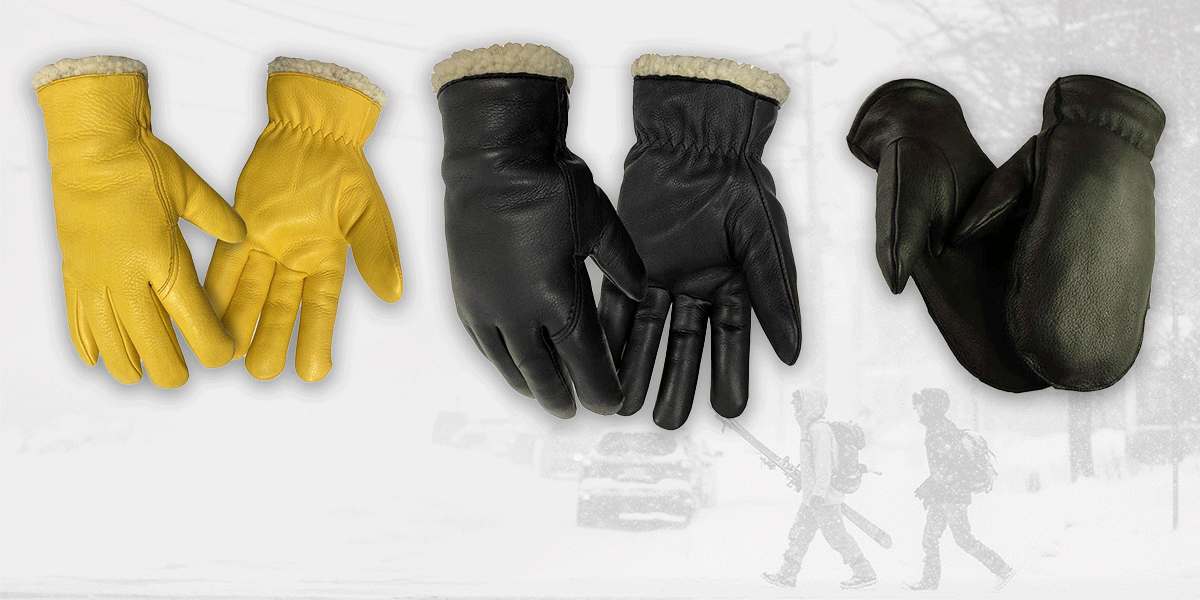
Sherpa Gloves Hand Protection for Demanding Work Environments
When temperatures drop and job sites become challenging to navigate, hand protection becomes a critical safety consideration. Workers exposed to cold conditions need gloves that deliver reliable warmth without sacrificing the dexterity and grip required to perform tasks safely and efficiently. Sherpa gloves have emerged as a leading solution in the industrial hand protection market, offering superior insulation through specialized fleece lining that maintains comfort and functionality even in harsh winter conditions.
Unlike standard work gloves that may provide minimal protection against cold, Sherpa-lined work gloves are engineered specifically for prolonged exposure to low temperatures. The distinctive fleece lining creates a thermal barrier that traps body heat while allowing moisture to escape, preventing the clammy discomfort that often accompanies heavily insulated gloves. This combination of warmth and breathability makes Sherpa gloves particularly valuable for workers who need to maintain manual precision while working outdoors during winter months or in refrigerated environments.
The value proposition of Sherpa gloves extends beyond simple warmth. These gloves are designed to address the real-world challenges faced by tradespeople, warehouse workers, and outdoor professionals who cannot afford to compromise on hand protection when temperatures fall. By integrating advanced insulation technology with durable outer shells and specialized grip coatings, Sherpa gloves enable workers to maintain productivity and safety standards regardless of weather conditions.
Quick Links To Our Best Sherpa Gloves
- Premium Full Grain Deer with Sherpa Lining
- Premium Full Grain Deer Sherpa-Lined
- Full Grain Deerskin Sherpa Lined Mitts – Black
- Snowmobile Sherpa Lined Mitts – Black
- Sherpa Lined Cow Split Gloves – Safety Cuff
- Sherpa Lined Cow Split Driver’s Gloves – Tan
- Sherpa Lined Cow Split Chopper Mitts – Tan
Understanding Sherpa Lining Technology
Sherpa fleece is a synthetic fabric designed to replicate the insulating properties of natural sheepskin while offering advantages in durability, moisture management, and maintenance. The material gets its name from its resemblance to the wool-lined clothing traditionally worn by Sherpa people in mountainous regions, where extreme cold demands exceptional thermal protection. In work-glove applications, Sherpa lining consists of a soft, plush fleece layer that creates thousands of tiny air pockets throughout the fabric.
These air pockets act as an insulating system, trapping warm air generated by the hand’s natural heat. Because air is an excellent insulator, this trapped layer prevents heat from escaping to the cold exterior environment. The high-pile texture of Sherpa fleece maximizes the volume of air it can retain while maintaining a relatively lightweight profile, which is crucial for work gloves, where bulk can interfere with hand mobility and tool operation.
The synthetic composition of Sherpa lining offers distinct advantages over natural insulation materials in industrial applications. The fleece maintains its loft and insulating properties even when exposed to moisture, whereas natural fibers can become matted and lose effectiveness when wet. Additionally, Sherpa fleece dries relatively quickly compared to wool or cotton linings, which is important for workers who may encounter snow, ice, or condensation during their shifts. The material’s durability also contributes to extended glove lifespan, as the fleece resists compression and breakdown from repeated use.
Key Features of Sherpa Work Gloves
Insulated work gloves with Sherpa lining offer several performance features that set them apart from basic winter gloves. The primary feature is thermal insulation, typically measured in temperature ratings that indicate the lowest temperatures at which the gloves maintain effective hand warming. Quality Sherpa gloves often provide comfort in temperatures ranging from 20°F to -20°F, depending on the thickness of the lining and the design of the outer shell.
Breathability represents another critical feature of well-designed Sherpa lined work gloves. While insulation is essential, excessive heat buildup and moisture accumulation can lead to discomfort and reduced thermal efficiency. The fleece structure allows water vapor from perspiration to migrate away from the skin, while the outer shell materials often incorporate moisture-wicking properties or breathable membranes that facilitate vapor transfer. This moisture management prevents the cold, clammy sensation that can occur when sweat becomes trapped inside the glove.
Dexterity and tactile sensitivity remain important even in heavily insulated gloves, as many cold-weather tasks require precise hand movements and grip control. Sherpa gloves address this need through ergonomic patterning that follows the natural contours of the hand, pre-curved fingers that reduce bunching, and carefully calibrated insulation thickness that provides warmth without excessive bulk. The result is a glove that allows workers to handle tools, operate equipment, and manipulate materials with reasonable precision despite the insulation layer.
Abrasion resistance and durability are essential for work gloves subjected to the rigors of construction, manufacturing, and outdoor labor. Sherpa gloves typically feature reinforced outer shells made from materials such as synthetic leather, heavy-duty nylon, or specialized polymer blends that resist tearing, puncturing, and wear. Palm and finger areas often receive additional reinforcement or coating to extend glove life in high-friction zones. This durability focus ensures that the investment in quality winter safety gloves delivers value over extended periods rather than requiring frequent replacement.
Grip performance in wet, icy, or slippery conditions is achieved through specialized coatings or textured patterns applied to the palm and finger surfaces. Common grip treatments include latex, nitrile, polyurethane, or silicone formulations that maintain traction even when surfaces are covered with moisture, frost, or light oils. This grip security is crucial for preventing dropped tools, material handling accidents, and loss of control when operating equipment in challenging conditions.
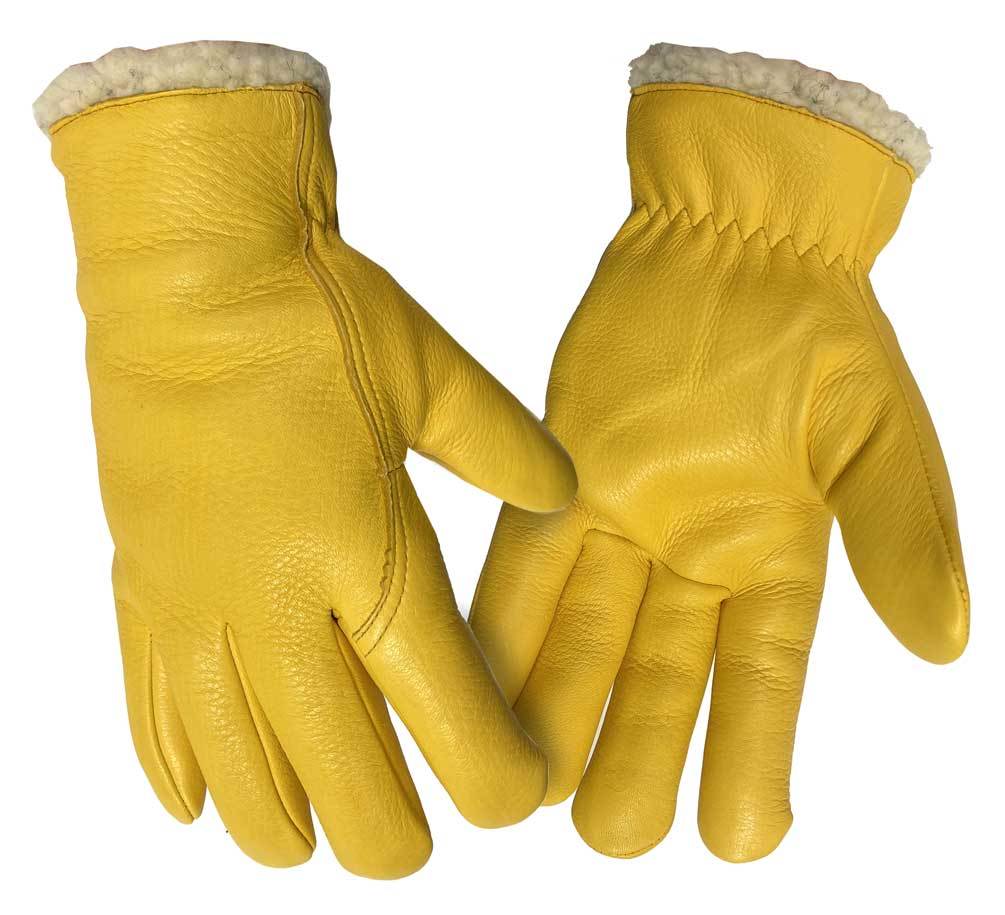
Premium Full Grain Deer with Sherpa Lining
Industries and Applications for Sherpa Gloves
Cold weather work gloves with Sherpa lining find applications across numerous industries where workers face exposure to low temperatures while performing manual tasks. Construction professionals working on building projects that continue through winter months benefit significantly from the warmth and dexterity these gloves provide. Roofers, framers, masons, and general laborers need to maintain grip strength and finger mobility while handling materials and tools in freezing conditions, making Sherpa gloves an essential component of their cold-weather PPE.
Warehouse and logistics operations, particularly those involving cold storage facilities or outdoor loading docks, represent major users of thermal work gloves. Workers in refrigerated warehouses, food distribution centers, and frozen goods handling facilities face prolonged exposure to subfreezing temperatures during entire shifts. Sherpa lined work gloves enable these workers to maintain manual performance while protecting against cold-stress injuries and frostbite risk. The gloves’ durability also withstands the repetitive handling of pallets, boxes, and equipment that characterizes warehouse work.
Oil and gas sector workers, including those at drilling sites, refineries, and pipeline operations in northern climates, require hand protection that performs reliably in extreme cold. These environments combine low temperatures with exposure to industrial materials and equipment that demand both thermal protection and mechanical resistance. Sherpa gloves designed for energy sector applications often incorporate additional features such as cut resistance or chemical protection while maintaining the core benefit of cold-weather insulation.
Snow removal and winter maintenance crews, including municipal workers, highway departments, and property management teams, spend extended hours outdoors operating equipment and handling tools in some of the most challenging weather conditions. The combination of cold air, wind chill, and contact with frozen materials makes quality insulated gloves essential for these workers. Sherpa gloves provide the warmth needed for comfort during long shifts while allowing the grip and control necessary for safe equipment operation.
Utility workers maintaining electrical, telecommunications, and water systems cannot pause operations during winter weather. Lineworkers, cable installers, and maintenance technicians working outdoors in cold conditions need gloves that protect against temperature exposure while allowing the precise movements required for their technical tasks. Sherpa lined work gloves offer an effective balance between thermal protection and the tactile sensitivity these jobs demand.
Sherpa Gloves vs Standard Insulated Gloves
Understanding how Sherpa gloves compare to other insulated work glove options helps buyers make informed purchasing decisions. Traditional insulated gloves often use foam insulation, cotton batting, or synthetic fill materials that provide warmth but may sacrifice breathability and flexibility. Sherpa lining’s high-pile fleece structure delivers comparable or superior warmth while maintaining better air circulation and moisture management, resulting in greater comfort during extended wear periods.
The weight-to-warmth ratio of Sherpa gloves typically favors these fleece-lined options over bulkier alternatives. Because the fleece creates efficient thermal traps through its air pocket structure, manufacturers can achieve excellent insulation with thinner profiles than required by traditional fill materials. This reduced bulk translates to improved dexterity and less hand fatigue during long work shifts, particularly important for tasks requiring repetitive motions or fine motor control.
Flexibility and range of motion represent areas where Sherpa gloves often outperform heavily padded alternatives. The fleece lining conforms to hand movements more readily than rigid foam insulation, allowing workers to flex fingers, grip tools, and manipulate objects with greater ease. This flexibility does not come at the expense of warmth, as the fleece maintains its insulating properties throughout the full range of hand motion.
Comfort during extended wear distinguishes quality Sherpa lined work gloves from lesser alternatives. The soft, plush texture of Sherpa fleece against the skin creates a comfortable wearing experience that reduces irritation and pressure points. Standard insulated gloves with rougher lining materials may cause discomfort or chafing during full-day use, whereas Sherpa gloves maintain a pleasant hand feel that workers are more likely to wear consistently throughout their shifts.
Safety and Compliance Considerations
Winter safety gloves play a crucial role in protecting workers from cold-stress injuries, a category of occupational hazards that includes frostbite, hypothermia, and reduced blood circulation to extremities. When hand temperatures drop below safe thresholds, workers face immediate safety risks including loss of manual dexterity, impaired judgment, and increased accident susceptibility. Sherpa gloves help employers meet their duty to provide adequate cold-weather protection by maintaining hand temperatures within safe operating ranges.
The relationship between hand temperature and worker productivity is well-established in occupational safety research. Cold hands lead to slower work speeds, increased error rates, and higher likelihood of accidents as workers lose fine motor control and grip strength. By maintaining thermal comfort, insulated work gloves enable workers to sustain normal productivity levels even when ambient temperatures would otherwise impair performance. This productivity maintenance benefits both worker safety and operational efficiency.
Compliance with workplace safety regulations often requires employers to provide appropriate PPE for environmental conditions, including cold weather exposure. While specific requirements vary by jurisdiction and industry, the principle of hazard assessment and control applies universally. When cold temperatures pose a risk to worker health and safety, proper insulated gloves become necessary protective equipment. Selecting Sherpa lined work gloves that match the temperature conditions and physical demands of the job helps organizations fulfill their safety obligations.
Risk reduction extends beyond cold injury prevention to include the secondary hazards that cold hands create. Workers with impaired manual dexterity due to cold exposure face an increased risk of cuts, crushing injuries, and equipment-related accidents. Dropped tools, fumbled materials, and loss of control during equipment operation all become more likely when hands are too cold to function properly. Effective thermal work gloves mitigate these cascading risks by maintaining the hand temperature needed for safe work performance.
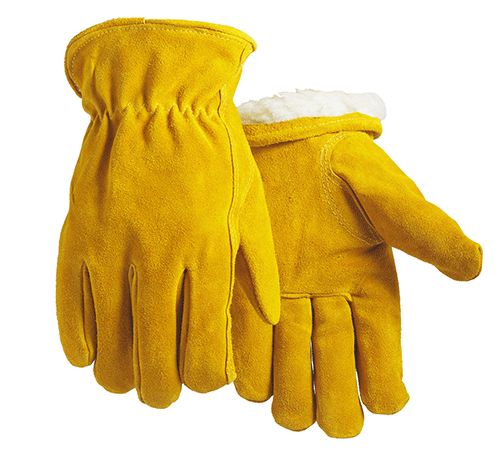
Sherpa Lined Cow Split Driver’s Gloves
Selecting the Right Sherpa Gloves for Your Application
Choosing appropriate cold-weather work gloves requires considering multiple factors that affect thermal protection, durability, and functionality. Sizing stands as the foundation of proper glove selection, as gloves that fit too tight restrict blood circulation and reduce warmth, while oversized gloves compromise dexterity and control. Quality manufacturers provide detailed sizing charts that account for hand circumference and length, enabling buyers to identify the correct size for each worker.
Insulation thickness and temperature rating must align with the coldest conditions workers will encounter. Sherpa gloves are available in various insulation weights, from lighter-weight options suitable for moderate cold to heavy-duty versions designed for extreme conditions. Reviewing manufacturer temperature ratings provides guidance, though actual warmth depends on factors including work intensity, wind exposure, and individual cold tolerance. Selecting gloves rated for temperatures slightly lower than expected conditions provides a safety margin.
Outer shell material selection impacts both protection and durability. Synthetic leather offers good abrasion resistance and flexibility at a moderate cost, while grain leather provides superior durability for heavy-use applications. Waterproof or water-resistant shells become important when workers will handle snow, ice, or wet materials, as moisture penetration compromises insulation effectiveness. Understanding the specific environmental exposures workers face helps identify the appropriate shell construction.
Grip coating type influences performance when handling tools, materials, and equipment in cold conditions. Latex coatings provide excellent general-purpose grip but may not suit workers with latex sensitivities. Nitrile offers good grip with better chemical resistance, while polyurethane provides a lighter-weight grip suitable for tasks requiring more dexterity. Some Sherpa gloves incorporate specialized grip patterns or materials designed specifically for icy or frozen surface contact.
Cuff style affects both protection and ease of use. Longer cuffs that extend over the wrist or forearm prevent cold air infiltration and protect against snow or debris entering the glove. Safety cuffs that fit inside jacket sleeves work well for some applications, while gauntlet-style cuffs that cover the sleeve exterior suit others. The choice depends on the specific work environment and how the gloves integrate with other cold-weather protective clothing.
Care and Maintenance of Sherpa Lined Gloves
Proper maintenance extends the service life of insulated work gloves while maintaining their thermal performance and protective qualities. Regular cleaning removes dirt, oils, and contaminants that can degrade materials and reduce insulation effectiveness. Most Sherpa gloves can be hand-washed in cool or warm water with mild detergent, though specific care instructions vary by manufacturer. Avoid harsh chemicals or bleach that can damage fleece fibers or outer shell materials.
Thorough drying is critical for maintaining Sherpa fleece loft and insulation properties. Air drying at room temperature preserves fleece structure better than machine drying, which can cause shrinkage or matting. Hanging gloves in a well-ventilated area away from direct heat sources allows moisture to evaporate without damaging materials. Never dry insulated gloves on radiators or heating vents, as excessive heat can melt synthetic materials or permanently compress fleece fibers.
Storage practices affect glove condition between uses and during off-season periods. Store Sherpa gloves in a cool, dry location away from direct sunlight, which can degrade synthetic materials over time. Avoid storing gloves in compressed or folded positions that could permanently flatten the fleece lining. Some workers benefit from having multiple glove pairs in rotation, allowing each pair to fully dry and recover between work shifts.
Inspection routines help identify wear or damage before it compromises protection. Regularly check for holes, tears, or separating seams that could allow cold air infiltration. Examine grip surfaces for wear that might reduce traction. Assess the fleece lining for matting or thinning that indicates reduced insulation capacity. Retiring gloves that no longer provide adequate protection helps maintain safety standards and prevents the false sense of security from worn-out PPE.
Frequently Asked Questions About Sherpa Gloves
How warm are Sherpa-lined work gloves compared to other insulated options?
Sherpa gloves provide warmth comparable to or exceeding traditional insulated work gloves while offering better breathability and comfort. The fleece lining’s air-trapping structure creates efficient thermal barriers that maintain hand warmth in temperatures typically ranging from 20°F to -20°F, depending on the specific glove design and lining thickness. The actual warmth experienced depends on factors including work activity level, wind exposure, and glove fit.
Are Sherpa gloves waterproof?
Sherpa fleece itself is not waterproof, though it maintains some insulating properties when damp. Many Sherpa-lined work gloves feature waterproof or water-resistant outer shells to prevent moisture from penetrating. When selecting gloves for wet or snowy conditions, look for specifications indicating waterproof construction or water-resistant treatments. Even water-resistant gloves have limits and may not withstand prolonged immersion or heavy precipitation.
Do Sherpa gloves make hands too bulky to handle tools?
Quality Sherpa gloves balance insulation with dexterity through ergonomic design and carefully calibrated fleece thickness. While any insulated glove adds some bulk compared to uninsulated options, well-designed Sherpa gloves minimize this impact through pre-curved fingers, articulated patterns, and strategically placed insulation. Most workers find that modern Sherpa-lined work gloves allow adequate tool handling and equipment operation for typical industrial tasks.
How long do Sherpa work gloves typically last?
Glove longevity depends on work conditions, usage frequency, and maintenance practices. With proper care in moderate-use applications, quality Sherpa gloves may last an entire season or longer. Heavy-use environments involving abrasive materials, chemicals, or constant friction may require more frequent replacement. Regular inspection and proper maintenance maximize service life regardless of application intensity.
Can Sherpa gloves be worn in refrigerated warehouses?
Sherpa lined work gloves are well-suited for refrigerated warehouse environments where workers face prolonged exposure to subfreezing temperatures. The fleece lining provides the continuous insulation needed for extended shifts in cold storage, while the outer shell protects against the physical demands of material handling. Select gloves with appropriate temperature ratings and grip coatings for the specific warehouse conditions.
What temperature rating should I look for?
Match temperature ratings to the coldest conditions workers will encounter, with some safety margin. For general winter outdoor work in moderate climates, gloves rated to 0°F to 20°F often suffice. Cold storage facilities or severe winter conditions may require gloves rated to -20°F or lower. Consider factors beyond ambient temperature, including wind chill and work activity level, when selecting appropriate ratings.
How do I prevent Sherpa gloves from smelling after repeated use?
Regular cleaning prevents odor buildup from perspiration and bacteria accumulation. Allow gloves to dry completely between uses, as moisture trapped in fleece creates conditions for odor-causing bacteria. Some workers use glove liners that can be washed more frequently, keeping the outer Sherpa gloves fresher. Proper ventilation during storage also helps prevent musty odors from developing.
Conclusion
Sherpa gloves represent a sophisticated solution to the challenge of maintaining hand protection, warmth, and functionality in cold work environments. The combination of advanced fleece insulation technology, durable construction, and performance-focused design makes these gloves valuable assets for workers across diverse industries. From construction sites and warehouses to utility maintenance and winter operations, Sherpa lined work gloves enable professionals to maintain safety and productivity when temperatures drop.
The investment in quality thermal work gloves pays dividends through improved worker comfort, reduced cold-stress injury risk, and maintained operational efficiency during winter months. By understanding the features, applications, and selection criteria for Sherpa gloves, employers and workers can make informed decisions that enhance hand protection programs. Whether facing occasional cold exposure or working entire shifts in subfreezing conditions, properly selected Sherpa gloves provide the reliable performance that demanding job sites require.